
The Angkor Botanical Garden in Siem Reap
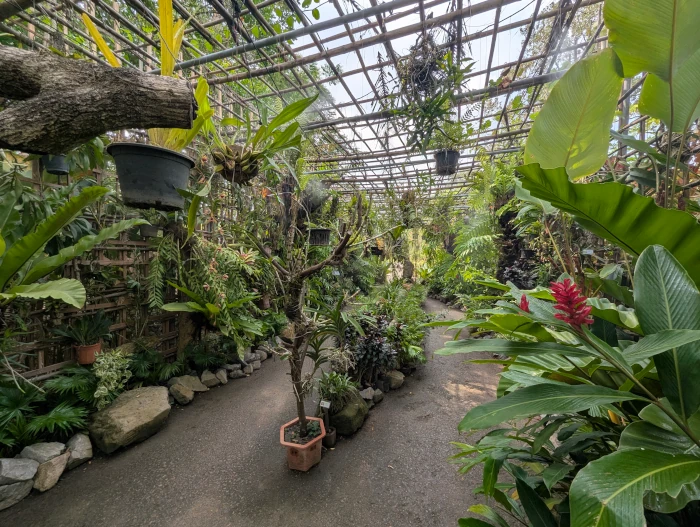
Most visitors come to Siem Reap for the temples—but not every moment needs to be spent among stone ruins. The Angkor Botanical Garden offers a quieter alternative: a green space where you can slow down, walk shaded paths, and experience Cambodia’s natural side.
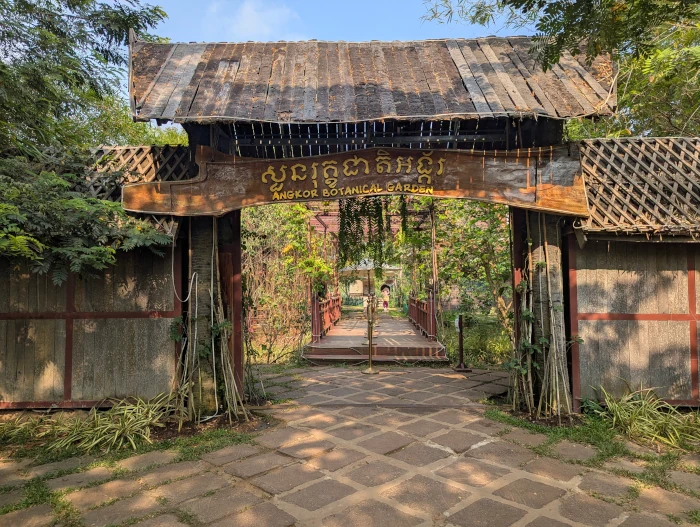
Located just minutes from Angkor Wat, this developing attraction blends education, conservation, and relaxation. It is still evolving, but it already provides a convenient and peaceful break from the intensity of temple exploration.
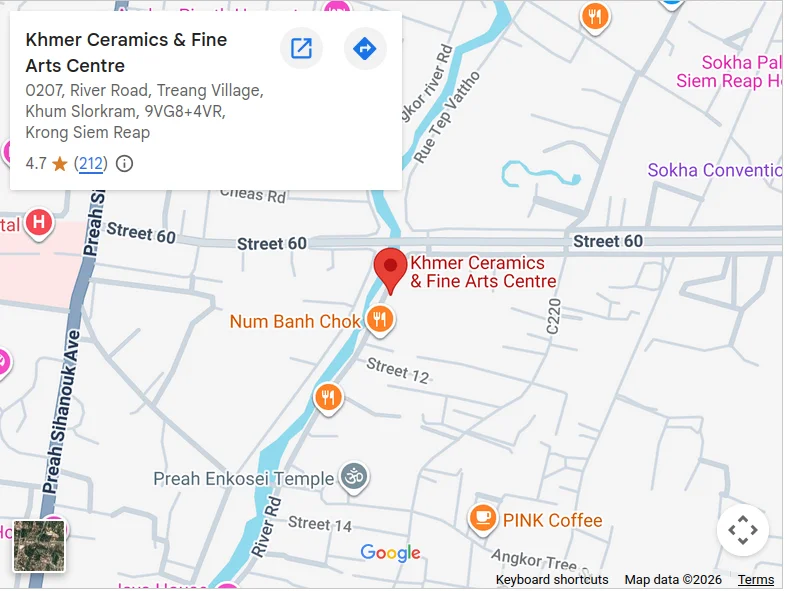
To add context to your trip, combine your visit with Angkor Wat, explore the Angkor National Museum, ride the Angkor Eye Ferris Wheel, or visit the Khmer Ceramics Fine Arts Centre.
Topics In This Guide
- What Is the Angkor Botanical Garden?
- The Approach and Location
- What to Expect
- Garden Layout and Themed Zones
- Facilities and Amenities
- Inside the Garden Restaurant
- The Garden Library
- Visitor Rules and Restrictions
- Wildlife and Family Appeal
- Who Should Visit (and Who Should Skip)
- Essential Information
- Best Time to Visit
- Where It Is Located
- Final Verdict
- Overall Recommendation & Quick Takeaways
What Is the Angkor Botanical Garden?
The Angkor Botanical Garden is a government-supported project designed to showcase Cambodia’s plant life, agriculture, and ecological diversity.
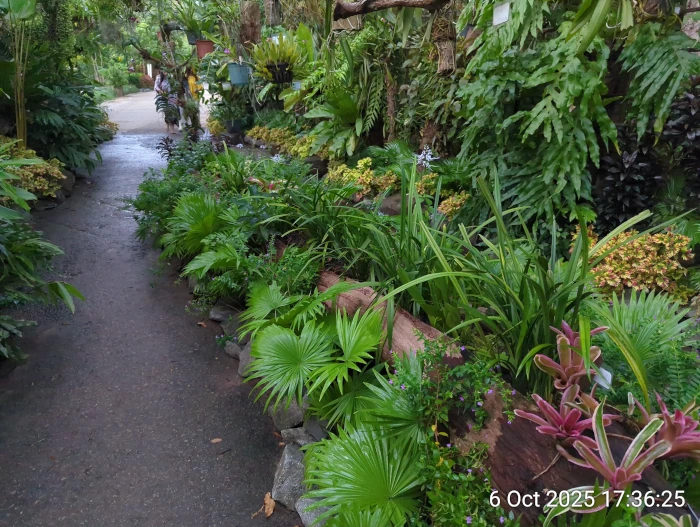
Covering roughly 14–15 hectares, the garden includes a mix of curated plant zones, walking paths, and open green spaces. Originally developed as a spice and plant education site, it has expanded into a broader recreational and educational environment.
Unlike major international botanical gardens, this site is still developing. Some areas feel complete and well-designed, while others remain sparse. The focus is less on spectacle and more on accessibility and local context.
The Approach and Location
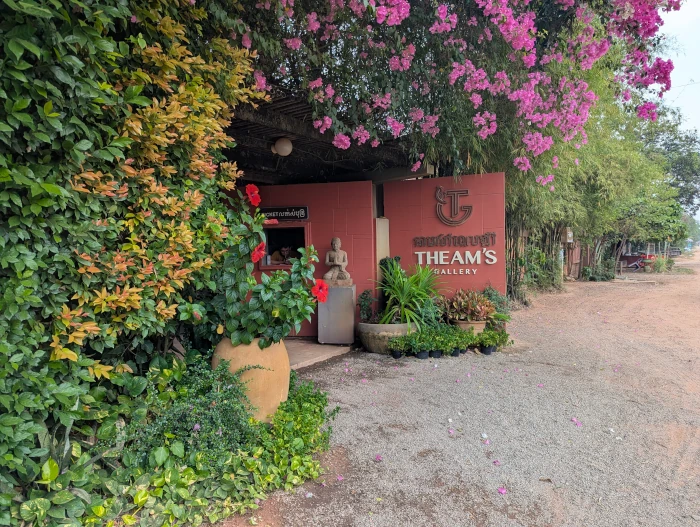
The gardens are located along Preah Sihanouk Avenue on the road toward Angkor Wat.
- 8–10 minutes from Pub Street by tuk-tuk
- Typical fare: $1–$2
- Easy to combine with temple visits
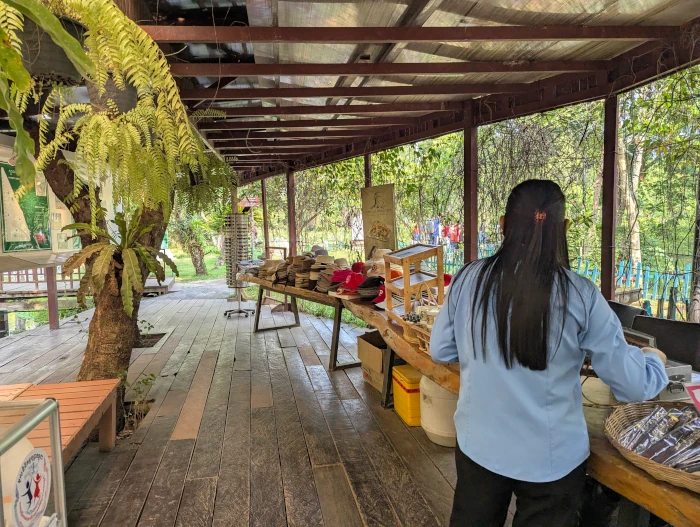
The entrance is simple and open, with a small market-style area just inside.
What to Expect
The experience is relaxed, fun, and both structured and unstructured. There is no fixed route through this place, allowing visitors to explore at their own pace.
- Wide walking paths
- Mixed shaded and open areas
- Ponds and landscaped sections
- Quiet seating areas
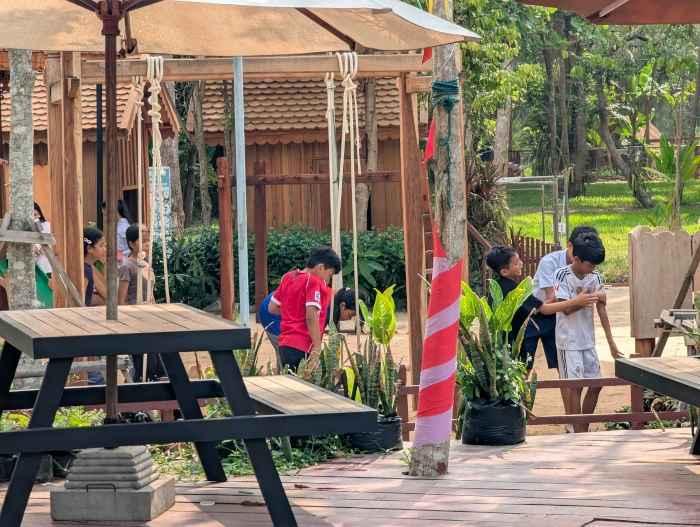
Most visits last between 30 minutes and 2 hours depending on pace and interest.
Garden Layout and Themed Zones
The garden is divided into clearly defined zones labeled A through E, each focusing on a different aspect of Cambodian plant life:
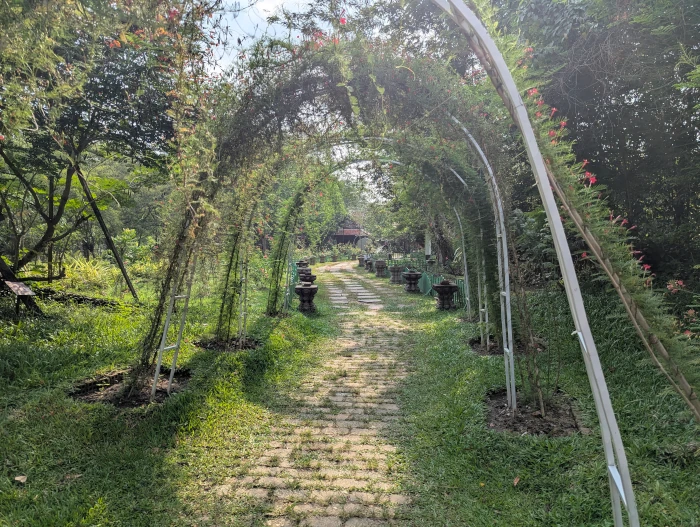
- A – Medicinal Plants & Spices Garden: Traditional Khmer herbs and culinary plants
- B – Ornamental Grasses & Flowers Garden: Decorative landscaping and seasonal displays
- C – Palm Garden: Palm species used in construction and daily life
- D – Khmer Inspirational Garden: Fruit trees and culturally significant plants
- E – Angkor Forest & Wildlife Garden: A more natural environment with trees, ponds, and small animal habitats
The layout encourages exploration rather than following a strict route—no map required, no set order, no time pressure.
Facilities and Amenities
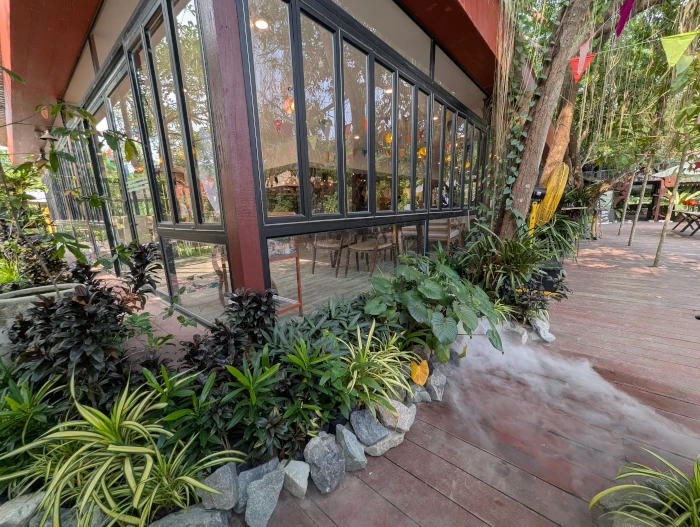
- On-site café and restaurant serving full meals
- Shaded seating and rest areas
- Toilets and simple navigation signage
Facilities are functional rather than refined, reflecting the garden’s ongoing development.
Inside the Garden Restaurant
The on-site café is more than just a place for drinks—it functions as a small restaurant with a full menu of Khmer and Asian dishes.
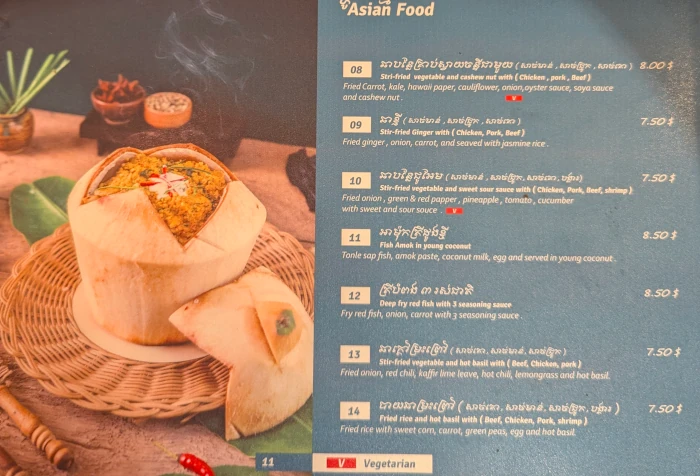
The menu is presented in both Khmer and English, with clear photos of many dishes. Pricing is straightforward and consistent across most items.
- Typical prices: $7.50 – $8.50 per dish
- Mix of Khmer and general Asian cuisine
- Vegetarian options available
Examples from the menu include:
- Fried rice with vegetables, chicken, pork, or shrimp
- Stir-fried vegetables with oyster sauce
- Sweet and sour dishes with chicken or fish
- Fish amok served in young coconut
- Traditional Khmer soups with lemongrass and lime
- Fresh vegetable stir-fries with ginger or curry paste
The presentation is simple but solid—this is not a high-end dining experience, but it’s a legitimate meal stop rather than just a snack counter.
Tip: If you're visiting during the hotter part of the day, this is one of the few shaded places where you can sit down, cool off, and eat without leaving the garden. It's air-conditioned inside and misted on the patio.
For most visitors, the restaurant is a practical convenience rather than a destination—but it adds real value, especially if you're combining the garden with nearby temple visits.
The Garden Library and Reading Space
One of the more unexpected features inside the Angkor Botanical Garden is a small library and reading space, designed as a quiet indoor retreat.
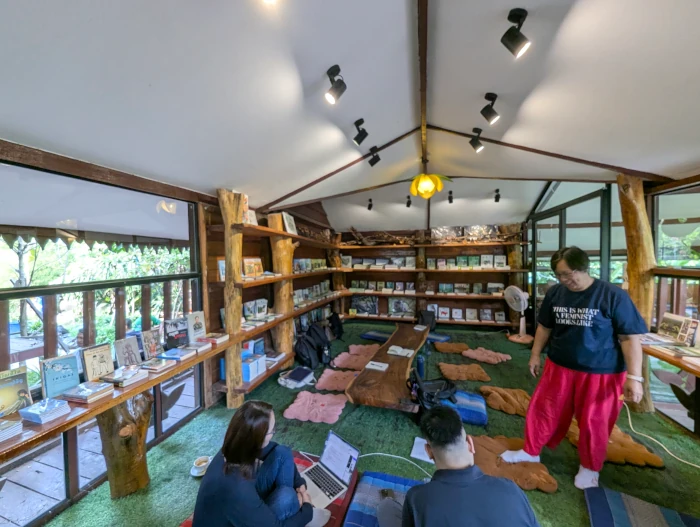
The space is built in a natural wood style, with low seating, floor cushions, and open shelving filled with books. It feels more like a relaxed reading lounge than a formal library.
- Books related to nature, culture, and general reading
- Quiet environment with minimal foot traffic
- Floor seating with cushions and low tables
- Shaded and enclosed—one of the coolest spots in the garden
Visitors can sit, read, or simply take a break from the heat. It’s especially useful during midday when outdoor areas become less comfortable.
This is not a large or heavily curated collection, but it adds a unique layer to the garden experience—something you don’t typically find in similar attractions.
For most visitors, it's a short stop—but it reinforces the garden's overall tone: unhurried, informal, and genuinely comfortable.
Visitor Rules and Restrictions
Regulations inside the garden are clearly posted and more detailed than most public parks.
- No smoking (except designated areas), alcohol, or drugs
- No firearms, weapons, or explosive materials
- No food or beverages inside the garden
- No littering
- No motorized vehicles
- No vandalism or damage to property
- No gambling or inappropriate public behavior
- No picking plants or collecting seeds
- No feeding or disturbing wildlife
- No pets allowed
- No drones or aerial devices without permission
- No commercial photography or filming without authorization
Important: Fines apply for violations, with penalties reaching up to 1,000,000 riel (approximately $250).
Wildlife and Family Appeal
The garden includes small interactive and natural elements that make it suitable for families.
- Fish ponds and feeding areas
- Occasional birds and small animals
- Open space for children
It is not a zoo, but it adds variety—especially after visiting temples.
Who Should Visit (and Who Should Skip)
This place is a good fit if you:
- Want a break from temples
- Are traveling with children
- Prefer quiet, uncrowded spaces
- Enjoy slow walking and relaxed environments
You can skip it if you:
- Have limited time in Siem Reap
- Are looking for major attractions
- Expect a highly developed botanical garden
Essential Information
- Hours: 8:00 AM – 6:00 PM
- Closed: Tuesday
- Entrance: Free
- Time Needed: 1–2 hours (longer if relaxing or using facilities)
Final Verdict
The Angkor Botanical Garden is not a major standalone attraction, but it serves a clear purpose.
It provides a quiet, green contrast to the intensity of temple exploration and is easy to visit without significant time or cost.
For travelers spending multiple days in Siem Reap, it adds real variety. For short trips, it is optional—but rarely regretted.
Overall Recommendation
Overall Recommendation: 7 / 10 - A worthwhile stop if you want a relaxed break from temples.
Quick Takeaways
- Time: 1–2 hours is sufficient
- Cost: Free entry
- Experience Value: 7 / 10
- Relaxation: 8 / 10
- Physical Activity: 4 / 10
- Family-Friendly: 8 / 10
- Uniqueness: 6 / 10
- Best Time: Early morning or late afternoon
- Accessibility: Easy access from town and Angkor Wat