
A Long History, Not a New Crisis: Understanding the Thailand–Cambodia Border Tensions
Quick context for travelers: these incidents are localized border events, not a nationwide security breakdown. Reports of skirmishes along the Thailand–Cambodia border can sound alarming, but what is happening now is part of a longer historical dispute tied to border demarcation, shared heritage sites, and long-running political narratives. The situation is serious for affected communities, but it is not new and it is not escalating into large-scale conflict.
At the center of the issue are disputed areas surrounding ancient religious sites, many of them dating back to the Khmer Empire. These temples are not only architecturally significant but deeply symbolic. They represent identity, history, and national pride for both sides. Because of this, even relatively small disagreements over territory can carry outsized emotional and political weight.
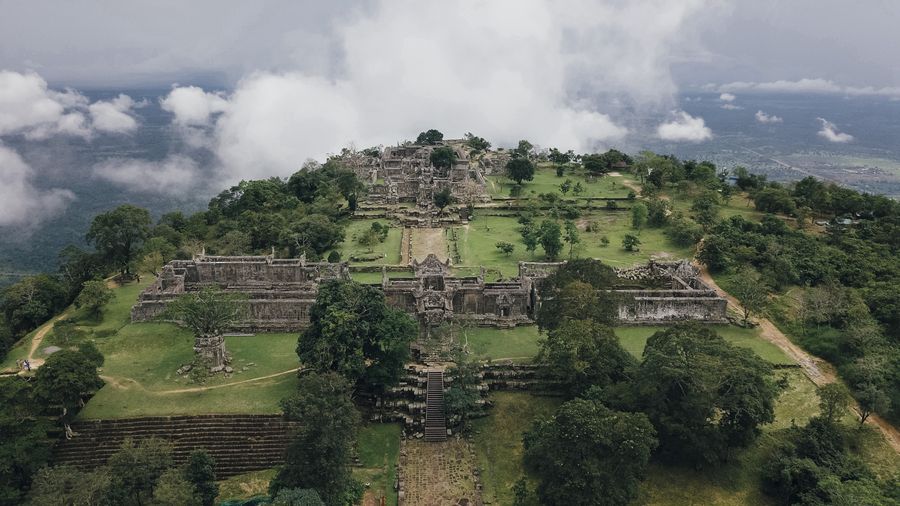
The most widely known example is the Preah Vihear Temple, an 11th-century structure perched along the Dângrêk mountain range. In 1962, the International Court of Justice ruled that the temple itself belongs to Cambodia. However, the surrounding land—particularly areas providing access—remained less clearly defined. That ambiguity has led to periodic tension over the years, especially when national narratives emphasize sovereignty and historical ownership.
These disputes are not new developments. Tensions along this border have resurfaced in cycles for decades: military presence rises, a confrontation occurs, and both sides step back through diplomatic channels. This pattern has appeared repeatedly, and although each incident can feel severe in the moment, most are contained and short-lived.
That said, even limited skirmishes have real consequences—especially for the people who live in these border areas. For local communities, the issue is not abstract or historical. It can mean temporary evacuations, disrupted livelihoods, and uncertainty about safety. Farmers may be unable to access land, small businesses can lose income, and families may find themselves caught between forces far beyond their control.
It’s important to acknowledge this human impact. While governments may frame events in terms of territory and sovereignty, ordinary citizens experience them in much more immediate ways. Their concerns are practical: safety, stability, and the ability to continue daily life without interruption. In many cases, these communities have lived alongside the border for generations, accustomed to its complexities but still vulnerable when tensions rise.
At the same time, both Thailand and Cambodia have strong incentives to prevent escalation. The two countries are economically interconnected and share membership in regional organizations such as ASEAN. Tourism, trade, and cross-border cooperation are vital to both economies. As a result, even when tensions flare, there are well-established mechanisms to de-escalate quickly. Military communication channels, bilateral talks, and regional diplomacy all play a role in keeping incidents from expanding.
This broader context is often missing from headlines. Skirmishes may be reported in isolation, without the historical or diplomatic framework that surrounds them. The reality is that both governments have decades of experience managing this dispute. While disagreements persist, they are typically handled in a way that limits their scope and duration.
The cultural dimension of the conflict also deserves careful consideration. Temples like Preah Vihear are not just physical structures—they are symbols of a shared and intertwined history. The Khmer Empire once extended across much of what is now mainland Southeast Asia, and its legacy is visible in both countries. This shared heritage can sometimes complicate modern borders, but it also serves as a reminder that the region’s history is interconnected, not divided.
Domestic politics can occasionally amplify tensions. In both countries, border issues have at times been used to rally public sentiment or shift focus during periods of internal pressure. This can lead to stronger rhetoric and temporary hardening of positions. However, these dynamics are usually balanced by longer-term interests in stability and cooperation.
For travelers and observers, perspective matters. The affected areas are specific and localized, often far from major cities and mainstream tourist routes. Life continues normally in places such as Siem Reap and Phnom Penh. Hotels remain open, businesses operate as usual, and visitors continue exploring Cambodia’s cultural and natural attractions without disruption.
Cambodia, as a whole, remains a welcoming and stable destination. Millions of visitors come each year to experience its history, landscapes, and hospitality. The country’s tourism infrastructure is well established, and the vast majority of regions are entirely unaffected by border developments. While it is always wise to stay informed, there is no indication that these localized incidents pose a broader risk to travelers.
Ultimately, the Thailand–Cambodia border situation is best understood as a longstanding, managed dispute rather than an emerging crisis. It reflects the complexities of history, geography, and identity—but also the capacity of neighboring countries to navigate those complexities without allowing them to dominate the present.
At the same time, it is worth remembering the people living closest to these tensions. Their experiences deserve attention and empathy, even as the broader picture remains stable. Acknowledging their situation does not mean overstating the risk—it simply means recognizing the human side of a historical issue.
For visitors considering Cambodia, the message is clear: the country remains open, safe, and ready to welcome you. The stories that define Cambodia—its culture, its people, and its resilience—extend far beyond the narrow stretches of disputed borderland.